


Key Takeaways
- Embrace digital marketing trends to reach a broader audience and remain visible in a crowded marketplace.
- Utilize advanced technologies like AI and VR to provide seamless, modern experiences that simplify and enhance transactions.
- Develop a strong personal brand to build lasting trust and ensure clients remember and recommend your services.
Today’s real estate market is shaped by rapid technological advances and changing client expectations, redefining what success means. Previously, local knowledge and negotiation skills were key; now, success also requires innovative, data-driven strategies that utilize advanced tools, which seemed futuristic a decade ago. To stay competitive, agents must shift from traditional sales to personalized, client-focused interactions and proactively adopt best practices in digital marketing, technology, and branding. Digital marketing now extends beyond static websites to ongoing platform engagement. Technologies like AI and VR enhance every step of the client experience. At the same time, strong personal branding fosters trust and loyalty, enabling agents to grow their businesses and better serve clients in a competitive and evolving landscape.
Digital Marketing Trends
The foundation of modern real estate is a dynamic, multi-channel digital marketing approach that engages buyers and sellers online. Video content, including virtual tours and live-streamed walkthroughs, offers transparent and immersive experiences—especially valuable post-pandemic for clients who are long-distance or busy. Social media platforms like Instagram, Facebook, and TikTok are vital for targeted marketing, enabling agents to share listings, updates, and interact in real time. AI tools, such as chatbots, automate lead capture and routine responses, freeing agents to focus on higher-value interactions and enhancing customer service. For personalized guidance and a strategic digital marketing approach tailored to your local market, working with a trusted Maryville TN real estate agent Michael Grider can help maximize exposure and connect with the right buyers effectively. Email marketing, enhanced with segmentation, delivers tailored content to keep contacts engaged until they’re ready to act.
Leveraging Technology
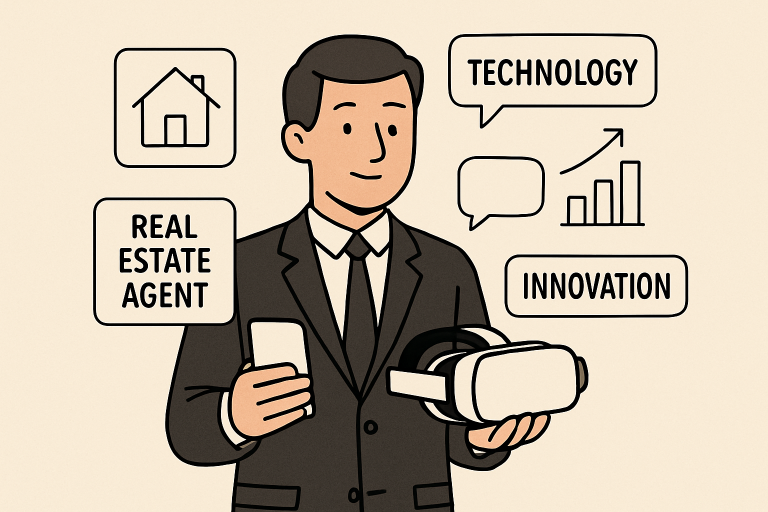
Advanced technologies, such as Virtual Reality (VR) and Artificial Intelligence (AI), are transforming the real estate industry. VR allows buyers to walk through properties from afar virtually, providing a true sense of size, layout, and ambiance, which is especially useful for relocating buyers, busy families, overseas investors, and those seeking to save time and effort. VR also enables virtual staging, allowing clients to visualize remodeling or furniture options, thereby reducing market time. AI helps agents analyze preferences, predict needs, and deliver tailored recommendations. Machine learning studies browsing and demographic data to personalize suggestions. AI CRMs automate follow-ups, ensuring no lead is missed. New tools forecast market trends, optimize pricing, and spot opportunities, making agents more valuable.
Personal Branding
With more agents competing for buyers’ and sellers’ attention, developing a unique personal brand is crucial for building a sustainable business. Agents who share local trend analysis, educational content about buying and selling, and community updates via blogs and social media are viewed as knowledgeable and engaged. Consistent, valuable content demonstrates expertise, accessibility, and reliability, showing clients that the agent is a dedicated partner. Branding extends beyond logos and headshots; it includes messaging consistency across platforms, participation in charitable events, sponsorships, and celebrating client successes. A strong personal brand fosters trust and results, making you the preferred agent in a competitive market. Clients are more likely to recommend someone passionate about their needs and the community.
Data-Driven Decision Making
Intelligent data use is transforming the real estate industry, enabling agents to quickly and effectively adapt their strategies and target specific audiences. Tracking metrics like website traffic, social media engagement, click-through rates, and email opens helps professionals refine campaigns. Predictive analytics, derived from extensive industry and consumer data, identify leads most likely to convert, saving time and resources. Access to real-time neighborhood trends, sales, demographics, and economic data enables agents to provide evidence-based advice, thereby enhancing client satisfaction and trust. Overall, data analysis enhances pricing, marketing, resource management, and client relations, ultimately leading to improved outcomes.
Enhancing Client Engagement
In an industry built on relationships, authentic, personalized engagement is the most effective way to foster loyalty and drive referrals. Producing hyper-local content — such as neighborhood video tours, interviews with small business owners, and events — shows dedication to the area, positioning agents as local experts. These initiatives create organic reach, spark conversations, and attract clients who already trust the agent. Personal touches, such as handwritten notes, birthday cards, thoughtful gifts, follow-up calls, and customized home search notifications, demonstrate a genuine investment in a client’s journey. Such gestures make clients more likely to return or recommend the agent, turning one-time customers into lifelong advocates.
Conclusion
In a competitive and changing market, successful real estate professionals use innovative strategies. Mastering digital marketing, embracing technology, building a trusted brand, making data-driven decisions, and delivering personalized engagement help agents thrive. Staying updated on these trends is key to meeting client needs, gaining new business, and providing excellent service. Investing in these areas allows agents to lead the industry, not just follow.
- What to Check Before Buying a Coastal Home in South Carolina
- A Practical 2026 Checklist for Buying Coastal Property on Florida’s Emerald Coast
- Managing Redness and Flare-ups With Expert Care
- What To Know About Mohs Surgery
- Expert Air Conditioning Services in Palatine, IL: Why Allied Air Conditioning & Heating Corporation Leads the Way