

Key Takeaways
- Visibility, cloud cover, humidity, and air quality can matter as much as sunshine.
- Morning, afternoon, sunset, and nighttime each create a different view of Manhattan.
- Combining an elevated deck with a street-level or waterfront stop adds variety.
- Comfort, transit time, and accessibility planning help keep the day enjoyable.
- A flexible backup plan turns cloudy weather into a useful change of pace.
A memorable skyline day in Manhattan, New York, starts with more than choosing a famous photo spot. Weather, air clarity, sunlight, transportation, and your preferred pace all affect what you see and how much you enjoy the experience. For an elevated Midtown perspective, the skyline viewing platforms in Manhattan offered by the Empire State Building offer ticket options for its observation decks, along with access to exhibits in an Art Deco landmark that has long been part of the city’s visual identity.
The strongest plan leaves room to respond to the conditions on the day. A sharp, long-distance view can make Lower Manhattan, Brooklyn, bridges, and waterways easier to distinguish, while clouds can create a more dramatic but less expansive scene. Build your itinerary around the kind of experience you want, rather than treating a single photo as the sole goal.
- Why Visibility Matters
- Choose the Right Time
- Check Conditions Before You Go
- Pick the Right Viewpoint
- Plan Better Skyline Photos
- Build a Practical Itinerary
- Prepare for Comfort and Access
- Create a Backup Plan
Why Visibility Matters for Manhattan Skyline Views
A bright day is not always a clear day. Haze, low clouds, rain, humidity, and smoke can soften the outlines of distant buildings and reduce contrast across the horizon. In contrast, a day with clearer air can make it easier to pick out landmarks well beyond Midtown. Dramatic clouds may still produce striking photographs, especially when sunlight breaks through, but they can obscure the widest views.
Light also changes the appearance of the city. Glass towers can reflect the sky, rivers can brighten or darken with the angle of the sun, and building facades may look warmer near sunset. Someone hoping to identify distant landmarks may prioritize clarity, while someone seeking glowing windows and city lights may prefer an evening visit.
Choose the Right Time of Day
Morning Views
Morning is useful for travelers who want to start early, avoid fitting a major stop into a crowded afternoon, and continue exploring afterward. The light is often gentler than at midday, and cooler seasons can bring brisk conditions on exposed decks and waterfronts. It is a practical choice for families, photographers, and visitors with packed schedules.
Afternoon Views
Afternoon offers strong daylight for studying the street grid, architecture, parks, and waterways. It can fit naturally between a museum visit, lunch, and an evening reservation. If the goal is to see the city’s shape and major districts rather than capture nighttime lights, this is often an efficient window.
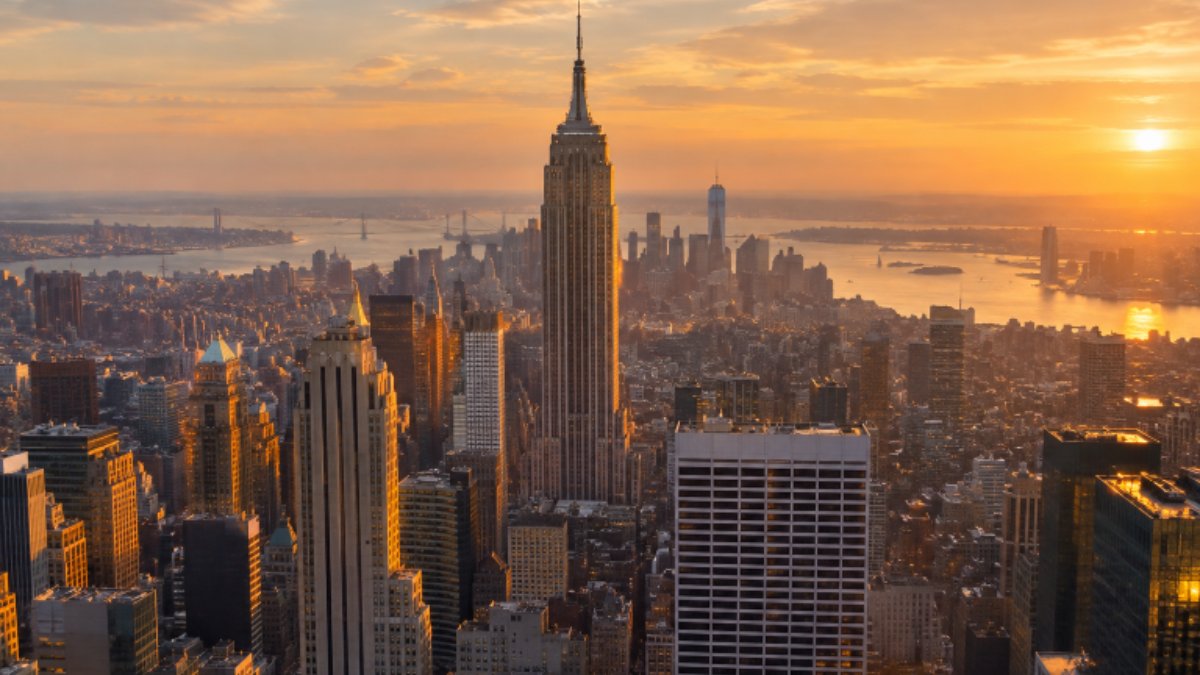
Sunset and Night Views
Sunset visits show Manhattan changing from daylight into illuminated streets and windows. They can require more advance planning because many visitors want that transition. Arrive early enough to settle in, look around before the light changes, and stay after dusk if conditions and your schedule allow.
Check Weather and Air Conditions Before You Go
Review the hourly forecast rather than relying solely on the daily temperature icon. The National Weather Service forecast for the New York City area can help you look for precipitation, wind, cloud cover, and weather hazards around your planned viewing time. Check again before leaving, particularly if your day includes outdoor walking or a waterfront route.
Air clarity also deserves attention. Use current air quality information to understand whether air conditions may affect comfort, especially for visitors who are sensitive to pollution or smoke. Weather can change quickly, so keep your plan flexible instead of treating a forecast as a guarantee.
Pick a Viewpoint That Fits the Day
Elevated observation decks are best for a broad overview of Manhattan and the surrounding boroughs. They allow visitors to understand how avenues, neighborhoods, rivers, and bridges relate to one another. If the weather is variable, look for an experience that suits your comfort level and confirm venue policies before arrival.
Waterfront parks and promenades add distance, which can help place the skyline in a wider frame with the river in front. Street-level cross streets offer a different effect: towers rising directly from the grid, traffic, storefronts, and everyday city life. A balanced day often includes one elevated view and one ground-level perspective.
Plan for Better Skyline Photos
- Clean your phone or camera lens before reaching the viewpoint.
- Use a wide lens for a broad cityscape and a standard lens for architectural details.
- Adjust exposure when a bright sky makes buildings appear too dark.
- Take several photos as clouds and light shift.
- Keep walkways clear and follow venue rules for bags, tripods, and other equipment.
Bring a portable charger, a small lens cloth, sufficient storage space, and a light layer for outdoor locations. Night mode can help after dark, but holding the phone steady remains important for sharper images.
Build a Practical Manhattan Itinerary
For a half-day plan, begin with breakfast near your chosen neighborhood, schedule the main viewpoint for the clearest expected window, then walk the nearby streets for a ground-level contrast. After lunch, finish at a park or waterfront location for a wider skyline angle.
For a full-day plan, start with a neighborhood walk, reserve the main view around the best forecast period, and place an indoor museum, gallery, or exhibit in the middle of the day. End with dinner near an evening viewpoint or a relaxed walk beside the water.
Prepare for Comfort and Access
Wear shoes suitable for sidewalks, stairs, and long periods of standing. Bring layers because elevated decks and waterfronts can feel cooler than sheltered streets. Allow extra time for subway travel, security screening, elevators, and busy sidewalks. Before committing to a location, review its accessibility information and restrictions so that bags, mobility needs, children, and rest breaks are part of the plan.
Create a Backup Plan
A cloudy day does not have to be a lost day. If distant views disappear, shift attention to close-up architecture, indoor exhibits, neighborhood food, or a museum near your planned stop. Keep a café or indoor activity nearby, and consider rescheduling an outdoor viewpoint if severe weather affects safety or access. With a flexible itinerary, Manhattan still offers plenty to see from street level, even when the horizon is hidden.
- How to Plan a Clear-View Manhattan Skyline Day, New York
- Silicon Valley, California Housing Market Trends And What Buyers Should Watch
- A Practical Guide to Planning Dental Care Costs for Every Family Stage
- Andrew Sorial: Understanding How Spin Shapes Strategy in Competitive Tennis
- What to Check Before Buying a Coastal Home in South Carolina