

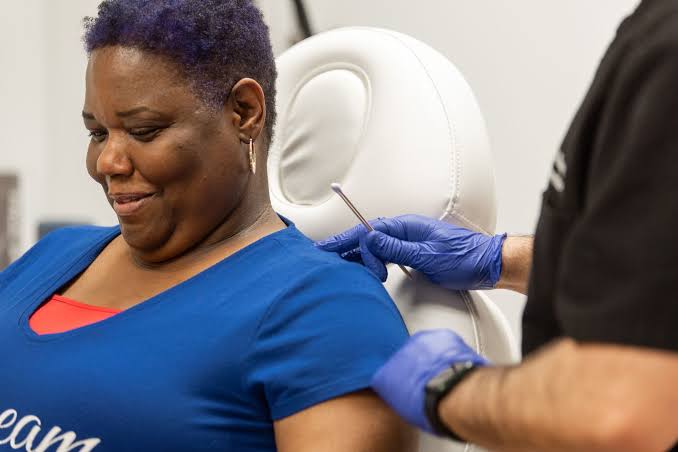
Skin cancer affects one in five people in the United States, and for many, the treatment is Mohs surgery. Named after Dr. Frederic Mohs, this technique has become an effective way that dermatologists remove certain types of skin cancer. Here is more information about this surgical technique:
Reviewing Types of Skin Cancer
Three types of skin cancer are basal cell carcinoma, squamous cell carcinoma, and melanoma. Basal cell carcinoma is the most common type of skin cancer, and Mohs surgery is a well-established treatment option for it. Dermatologists use this surgery to remove cancerous tissue layer by layer, examining each layer under a microscope before they proceed. This method preserves as much healthy surrounding tissue as possible while achieving high cure rates.
Diagnosing Skin Cancer
Dermatologists diagnose skin cancer through a combination of visual examination and biopsy. During a visual exam, they look for:
- Asymmetrical growths or lesions
- Irregular borders on growths
- Multiple colors within a single spot
- Spots larger than a pencil eraser
- Changes in size, shape, or color over time
A biopsy confirms the diagnosis. The dermatologist removes a small sample of tissue, and they use a microscope to determine whether cancer cells are present and what type they are.
Removing Cancerous Growths
Mohs surgery is performed in an outpatient setting, and the patient remains awake throughout the procedure. Because a local anesthetic numbs the area, the discomfort is minimal. The surgeon removes a thin layer of visible cancerous tissue, and that layer is mapped and analyzed by the doctor while the patient waits.
The dermatologist inspects each layer for signs of cancerous cells. If cancer cells appear at the edges of the removed layer, the surgeon removes another thin layer from that specific area. This process continues until no cancer cells remain at the margins. The analysis happens on the same day, so the surgeon can confirm complete removal before closing the wound.
Understanding Surgical Results
Mohs surgery is a treatment that has a cure rate of up to 99% for non-melanoma skin cancers. Most patients achieve clear margins on the same day of surgery. The wound is then repaired; the dermatologist may close it directly, use a skin graft, or allow it to heal naturally depending on its size and location.
Future risk depends on the individual’s history and skin type. A previous skin cancer diagnosis does raise the likelihood of developing another one, so a dermatologist will typically recommend ongoing monitoring. Dermatologists typically schedule follow-up appointments more often for patients who have a history of skin cancer.
Protecting yourself from further sun damage is one of the most effective ways to reduce that risk. Practical steps include:
- Applying broad-spectrum SPF 30 or higher sunscreen daily
- Wearing protective clothing and wide-brimmed hats outdoors
- Avoiding peak sun hours between10 a.m. and 4 p.m.
- Scheduling annual full-body skin exams with a dermatologist
Learn More About Mohs Surgery
Mohs surgery is a precise, effective treatment for common forms of skin cancer. Early detection of skin cancer can increase the effectiveness of treatment, and regular check-ups help the dermatologist track skin changes over time. If you want to learn more about Mohs surgery and skin cancer risk, consult a dermatologist near you.
- What to Check Before Buying a Coastal Home in South Carolina
- A Practical 2026 Checklist for Buying Coastal Property on Florida’s Emerald Coast
- Managing Redness and Flare-ups With Expert Care
- What To Know About Mohs Surgery
- Expert Air Conditioning Services in Palatine, IL: Why Allied Air Conditioning & Heating Corporation Leads the Way