

Table of Contents
- What Are the Key Steps in Building a New Home in Chicago?
- Why Is Location Selection Crucial for New Home Construction?
- What Are the Design and Planning Considerations?
- How Do Permits and Regulations Affect the Building Process?
- What Are the Cost Implications of Building a New Home in Chicago?
- How Can MK Construction & Builders, Inc. Assist in Your Home Building Project?
- What Are the Benefits of Choosing MK Construction & Builders, Inc.?
- Frequently Asked Questions
What Are the Key Steps in Building a New Home in Chicago?
Embarking on the journey to build a new home in Chicago involves a series of essential steps to ensure a successful, stress-free project. From selecting the perfect neighborhood to navigating the regulatory requirements, each phase demands diligent planning and careful attention to detail. Whether you are a first-time home builder or an experienced real estate investor, understanding the process is crucial for creating a new residence that meets your family’s needs and aligns with your long-term goals. For those seeking hands-on support throughout the journey, partnering with seasoned professionals in New Home Construction in Chicago can streamline your experience and help you avoid common pitfalls.
While every homeowner’s vision is unique, the construction process typically follows a similar path: choosing a lot, collaborating on architectural design, securing permits, and overseeing construction. Each step must consider the local context, regulations, and market dynamics specific to Chicago, making it vital to work with professionals who understand the nuances of the region. Beyond compliance, focusing on your essential needs and desired lifestyle during the planning stage will help ensure your new home meets your expectations for years to come.
Why Is Location Selection Crucial for New Home Construction?
Location is the foundation upon which your dream home is built. In a city as vibrant and diverse as Chicago, land availability differs by neighborhood, greatly impacting both total construction costs and your long-term satisfaction. Desirable areas with access to quality schools, public transit, and popular amenities tend to be more expensive and competitive. Researching these factors thoroughly before purchasing land helps set realistic expectations and supports smarter investment decisions. Each Chicago neighborhood has its own charm and characteristics, so it is important to align your selection with your lifestyle preferences.
Zoning laws are another critical consideration. Chicago’s zoning and building regulations are enforced to maintain neighborhood integrity and safety. Ensuring your chosen parcel aligns with zoning requirements is a necessary step before proceeding with design, as some lots may restrict certain types of construction or require special variances. Considering these legal and regulatory aspects from the outset protects your investment and prevents unnecessary delays.
Once you have narrowed down your choices, assess the proximity to essential services and conveniences. Easy access to schools, grocery stores, and public transportation can be a significant advantage for daily living as well as for future property value appreciation. Location cannot be changed after construction begins, making this decision one of the most impactful in the homebuilding process. For a deeper dive into Chicago’s zoning, the City of Chicago’s official zoning resource is an excellent reference.
What Are the Design and Planning Considerations?
The design phase breathes life into your vision, where style, function, and efficiency blend to form a cohesive plan. Selecting an architectural style that complements the neighborhood ensures your home fits seamlessly within the local landscape and may even enhance its value over time. This is also the stage to finalize your ideal floor plan, balancing current needs with the flexibility to accommodate future growth or changing family dynamics.
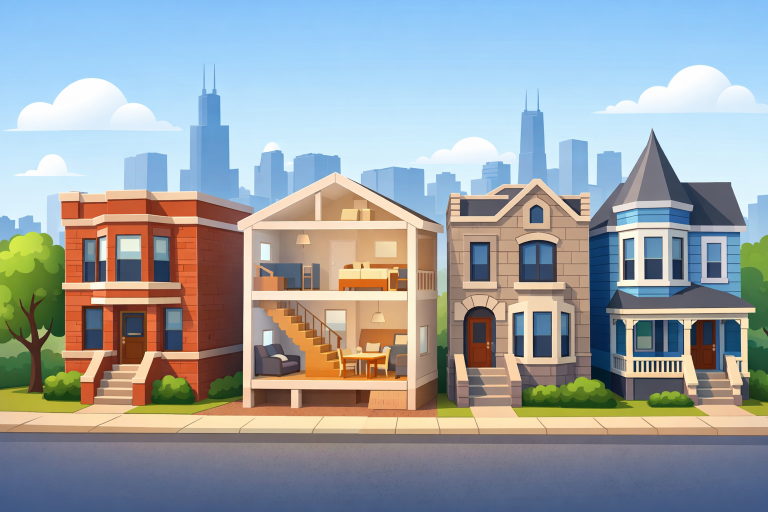
Choosing materials can significantly affect your home’s appeal, durability, and long-term costs. Opting for quality materials will protect against harsh Chicago winters and fluctuating Midwest climates, while also improving energy efficiency. During planning, factor in emerging trends such as open-concept layouts, smart home integrations, and sustainable building practices to boost functionality and attract future buyers, should you decide to sell.
How Do Permits and Regulations Affect the Building Process?
Before breaking ground, you must secure building permits and receive approval for your construction plans. Chicago’s permitting process may involve several city departments, each responsible for different aspects of code compliance, safety, and environmental standards. Skipping or mismanaging any regulatory steps can result in project delays, increased costs, or even legal complications.
Working with knowledgeable professionals who are familiar with local codes will smooth this process. They can help you gather documentation, complete necessary applications, and communicate with city officials. Staying ahead of the curve during the permitting stage ensures you remain on schedule and within budget.
What Are the Cost Implications of Building a New Home in Chicago?
Construction costs in Chicago can vary greatly depending on neighborhood, design complexity, materials, and labor. Labor rates in the city, especially for skilled trades, can be higher due to increased demand and cost of living. Material prices fluctuate based on global supply chains and the quality or rarity of your chosen finishes. Preparing the site and connecting to utilities also increases overall costs.
Recent reporting indicates that standard-grade custom construction can range from $200 to $275 per square foot, while mid-range builds can climb to $275-$400 per square foot. Luxury homes with premium materials and advanced features may cost more than $500 per square foot. Homeowners should also consider a contingency fund to cover unforeseen construction expenses. More information on average construction costs and project planning can be found in the Houzz House Cost Guide.
How Can MK Construction & Builders, Inc. Assist in Your Home Building Project?
Working with MK Construction & Builders, Inc. in Chicago offers a streamlined path through the twists and turns of new home construction. Their team can assist with every aspect of the project, from helping you identify ideal lots to managing design consultations and overseeing construction. Their deep experience navigating the city’s regulatory frameworks ensures that your project remains on budget and in compliance.
- Site Selection Assistance: MK Construction helps pinpoint lots based on factors such as neighborhood character, amenities, and future value.
- Custom Design Services: They bring your architectural ideas to life while accommodating personal preferences and functional needs.
- Permit Acquisition: An in-depth understanding of Chicago’s permitting requirements ensures timely approvals.
- Quality Construction: Their skilled team uses durable, high-quality materials tailored for Chicago’s climate and lifestyle.
What Are the Benefits of Choosing MK Construction & Builders, Inc.?
There are distinct advantages to teaming up with a builder that knows the local landscape, including:
- Experience: MK Construction’s years in Chicago’s building industry equip them to anticipate and address challenges unique to the region.
- Comprehensive Services: Their end-to-end solutions mean every phase, from design to completion, is coordinated with your needs in mind.
- Customer-Centric Approach: They prioritize transparency, responsive communication, and client satisfaction throughout the process.
Frequently Asked Questions
How Long Does It Take to Build a New Home in Chicago?
The time required can depend on design complexity, permit processing, and construction methods, but typically ranges from 12 to 20 months from initial design discussions to project completion.
What are the common challenges in building a New Home in Chicago?
Homeowners can expect to encounter hurdles such as complex permitting processes, variable labor and material costs, and weather-related construction setbacks. Engaging with an experienced builder can help alleviate many of these obstacles.
How Can I Ensure My New Home Meets Energy Efficiency Standards?
Incorporating advanced insulation, energy-efficient windows, and high-efficiency HVAC systems during the design phase, along with using smart building techniques and sustainable materials, will help you meet or exceed energy code standards and reduce future utility bills. For additional guidance, the U.S. Department of Energy’s energy-saving resource outlines best practices for new homes.
With careful planning, expert support, and attention to detail, building a new home in Chicago can yield lasting rewards for your family and investment portfolio.