
Key Takeaways
- Mosquitoes in Virginia are most active from early May to early November.
- Prevention hinges on removing standing water, using EPA-registered repellents, and wearing protective clothing.
- Regular upkeep of window and door screens is vital for keeping mosquitoes out.
- Monitoring local updates about mosquito-borne illness activity can help residents stay safe.
As summer approaches in Virginia, residents often find themselves contending with the return of persistent, buzzing mosquitoes. These tiny insects are more than just an annoyance. During their peak months, they become a concern due to their potential to spread disease and affect outdoor enjoyment. Understanding the intricacies of mosquito control in Virginia can go a long way toward ensuring a safe and relaxing summer season. Mosquito season typically begins in early May and continues through early November. The combination of rising temperatures and increased rainfall provides the perfect breeding environment for mosquitoes. As mosquitoes become more active, individuals and communities must adopt robust preventive practices to minimize both nuisance bites and health risks.
Understanding Mosquito Season in Virginia
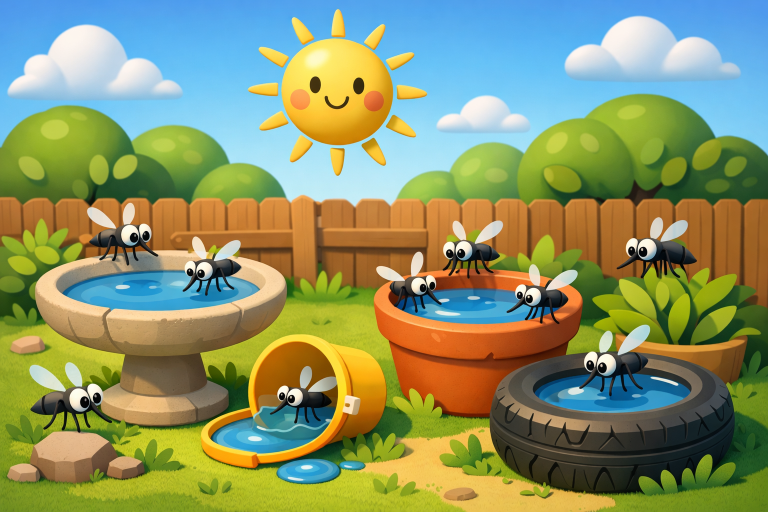
Mosquitoes thrive in Virginia’s humid, rainy summer months. Females lay eggs in stagnant water, taking advantage of even the smallest collections of water in flowerpots, birdbaths, clogged gutters, and untreated swimming pools. Once laid, mosquito eggs can hatch quickly, sometimes within a week, resulting in bursts of adult mosquito activity after rainy periods.
This means that managing water accumulation around homes and neighborhoods is a crucial first line of defense. Early in the season, begin checking your property, draining or cleaning containers, and inspecting any place water may gather after storms or irrigation. Community-wide vigilance is essential, and local health departments often distribute resources and tips to reduce mosquito populations in neighborhoods. These collaborative efforts are vital to minimizing the collective impact of mosquitoes on Virginia communities. For further information, the Centers for Disease Control and Prevention regularly updates guidance on mosquito-borne disease prevention and control.
Effective Mosquito Bite Prevention Strategies
A layered approach offers the best protection from mosquito bites during Virginia’s summer season. Focus on both personal precautions and environmental management for optimal effectiveness.
- Apply EPA-Approved Insect Repellents: Use products containing proven ingredients such as DEET, Picaridin, or Oil of Lemon Eucalyptus. Always follow label directions for reapplication and pediatric use.
- Wear Protective Clothing: When spending time outside, especially at sunrise or sunset, opt for long-sleeved shirts and long pants. Light-colored fabrics may also deter mosquitoes, as they are less attractive to some species.
- Maintain Window and Door Screens:Check all screening for rips or holes and promptly repair any damage to keep mosquitoes outdoors.
- Eliminate Standing Water: Inspect your property weekly and remove or treat areas where water collects, including trash bins, planters, and recreational toys.
In addition to these measures, residents can consider landscaping techniques that naturally deter mosquitoes. Planting citronella, lavender, or marigold, for example, can add both beauty and a layer of defense, as these plants have scents that are generally unpleasant to mosquitoes. Additionally, using outdoor fans on patios or decks can reduce mosquito activity, as mosquitoes have difficulty flying in strong breezes.
It is also beneficial to schedule outdoor activities strategically, as mosquitoes are typically most active at dusk and dawn. Limiting exposure during these times or ensuring extra precautions further lowers the risk of bites. For families with pets, it’s wise to remember that some mosquito-borne diseases can affect animals, so keeping their water dishes clean and avoiding mosquito-heavy areas during peak hours can keep both people and pets safer during the season.
Community Efforts in Mosquito Control
Managing mosquitoes requires participation from both individuals and the broader community. Local health departments across Virginia provide educational materials and support community-wide mosquito abatement programs that may involve surveillance, larvicide applications, and public information campaigns. Collaboration helps expand the effectiveness of individual efforts and lowers the population density across neighborhoods. Neighborhood associations or homeowners’ groups may organize clean-up days focused on clearing potential breeding sites and distributing free or discounted mosquito dunks, an environmentally friendly product designed to kill mosquito larvae in standing water. These collective initiatives foster greater awareness and responsibility, resulting in long-term reductions in mosquito populations and promoting healthier communities overall.
Health Risks Associated with Mosquito Bites
While not every mosquito bite leads to serious health issues, mosquitoes can transmit several diseases, including West Nile Virus and Eastern Equine Encephalitis (EEE) in Virginia. Though the odds of contracting these viruses are relatively low, certain groups may be more susceptible to severe complications, including the elderly and immunocompromised individuals. Stay informed by monitoring local advisories, particularly during years with elevated mosquito-borne illness reports. To learn more about the diseases mosquitoes can carry, visit the Virginia Department of Health’s mosquito-borne diseases page. In some cases, travel and population movement can introduce new mosquito species or pathogens into previously unaffected areas, making continuous vigilance and adaptability crucial parts of public health strategy. Research into vaccines and mosquito management technologies is ongoing, offering new hope in reducing transmission rates of mosquito-borne diseases in the future.
Natural and Chemical Control Methods
Homeowners seeking alternatives to chemical spraying can leverage natural mosquito control methods. Introducing predator-friendly habitats, such as fish that eat larvae in ornamental ponds, can help control. Where standing water is persistent and cannot be drained, applying larvicides containing Bacillus thuringiensis israelensis (Bti) is a safe way to target larvae. These products disrupt the mosquito lifecycle without harming beneficial wildlife. For severe infestations or properties located near wooded, marshy, or flood-prone areas, professional pest control services may be required. Licensed professionals can conduct site assessments, recommend integrated pest management plans, and, when appropriate, apply targeted treatments to minimize mosquito populations. Combining professional expertise with homeowner participation yields the most lasting and effective protection for both public and private spaces.
Travel Considerations
Traveling outside Virginia, especially to areas experiencing outbreaks of mosquito-borne illnesses, requires extra vigilance. Consult your healthcare provider before traveling to higher-risk regions, and check the CDC website for current information on required vaccines or recommended safety practices for your destination. Be sure to pack essential protective supplies, including repellents and netting, and review local mosquito activity reports for your travel areas. When possible, stay in accommodations with screened or air-conditioned rooms, and avoid camping or outdoor sleeping accommodations in high-risk areas. Planning ensures you are fully prepared to stay healthy and comfortable as you explore new environments during peak mosquito season.
Conclusion
Staying safe during mosquito season in Virginia requires a team effort that combines personal precautions and community cooperation. By keeping informed and proactive, you can significantly reduce bites and the risk of illness while enjoying the outdoors all summer long. Stay connected with local public health resources, address standing water without delay, and adopt proven bite-prevention strategies for the most comfortable and secure summer possible. Whether you’re hosting backyard gatherings, venturing out for hiking, or simply relaxing on the porch, making mosquito safety a priority will help ensure you, your family, and your neighbors can make the most of Virginia’s beautiful outdoor season free from the threat of these persistent pests.
- What to Check Before Buying a Coastal Home in South Carolina
- A Practical 2026 Checklist for Buying Coastal Property on Florida’s Emerald Coast
- Managing Redness and Flare-ups With Expert Care
- What To Know About Mohs Surgery
- Expert Air Conditioning Services in Palatine, IL: Why Allied Air Conditioning & Heating Corporation Leads the Way