

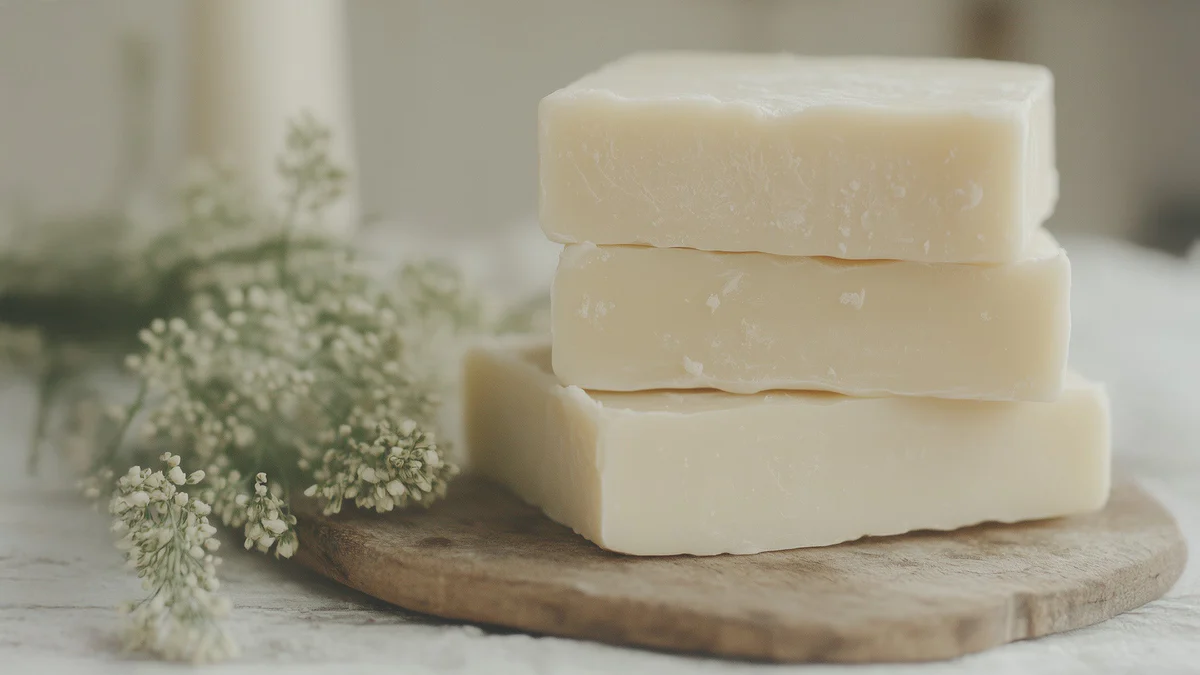
The choice of your soap making method determines the quality, texture, and appearance of your final product. You can use either the cold process or the melt-and-pour method to make soap for personal use or for selling. With the right soap making supplies, you are able to create handmade products to care for your skin. Here are a few benefits of using cold process versus melt-and-pour soap making supplies:
Create Unique Designs
Handmade soap serves as a medium for visual expression through form and pattern. Cold process methods enable structured techniques such as layering to produce defined designs, while melt-and-pour bases support more intricate detailing. Natural additives, including spices, herbs, and clays, provide color without synthetic ingredients.
Once cut, cold process bars display a textured, handcrafted appearance. Melt-and-pour soap can be formed into varied shapes and sizes through the use of molds. Molds introduce distinct visual variation into each batch. Available options range from geometric patterns with a modern style to traditional motifs such as floral designs.
Control Scent Profiles
The size and shape of a soap bar affect how its fragrance develops and is perceived. In cold process soap making, larger bars generally hold a stronger scent, while smaller bars tend to release fragrance more subtly over time. The composition of oils and butters in the bar can also influence how well the scent lingers.
Melt-and-pour soap making supplies provide a pre-made base, which gives flexibility in controlling fragrance. Essential oils can be added to achieve either a subtle aroma or a more pronounced scent, depending on the intended use of the soap. Accurate measurement and careful balancing of essential oils are necessary to avoid an overpowering or underwhelming fragrance.
In cold process soap, the production begins by mixing lye with water, followed by the addition of oils and butters. This chemical reaction, called saponification, transforms the mixture into solid soap while allowing you to incorporate fragrance at the desired stage. By adjusting bar size, base type, and fragrance concentration, you are able to precisely control both the strength and longevity of your soap’s scent.
Achieve Long-Lasting Results
The longevity of your soap depends on the quality of the ingredients and the effectiveness of the curing process. Cold process soap, when cured properly, produces a firm, long-lasting bar that will remain usable for several months. An extended curing time also allows the soap to harden and develop a milder, gentler finish. To make sure your soap remains durable and maintains its quality, follow these steps:
- Allow your soap to cure for several weeks in a cool, dry environment.
- After curing, store your soap in a well-ventilated area to prevent excess moisture accumulation.
- Place your soap on a dish or tray with drainage holes to keep it dry between uses.
- Remove any surface moisture or condensation before use to extend the soap’s shelf life.
Customize the Ingredients
Cold process soap offers flexibility in selecting ingredients because it does not rely on pre-made bases. You can incorporate essential oils, herbs, and other additives, each of which will contribute different properties to the final soap. The process allows experimentation with combinations of fragrances and natural exfoliants such as coffee grounds or oatmeal. By adjusting ingredients and techniques, you are able to create a variety of soap textures, scents, and appearances to suit different preferences.
Find Quality Soap Making Supplies
Creating soap requires the appropriate supplies and ingredients. Using quality soap making materials is key to producing a consistent batch, regardless of your experience level. Selecting reliable tools and ingredients also helps make sure the process proceeds smoothly. Start your search for a supplier of soap ingredients and additives today.
- What to Check Before Buying a Coastal Home in South Carolina
- A Practical 2026 Checklist for Buying Coastal Property on Florida’s Emerald Coast
- Managing Redness and Flare-ups With Expert Care
- What To Know About Mohs Surgery
- Expert Air Conditioning Services in Palatine, IL: Why Allied Air Conditioning & Heating Corporation Leads the Way