


Key Takeaways
- Selling “as-is” means offering the home in its present condition with no repairs included.
- Sellers must disclose any known problems or defects, regardless of whether they are selling as-is.
- Accurate pricing aligned with the home’s condition is critical to attract buyers.
- Local laws can impact the sales process and required disclosures.
Table of Contents
- Introduction
- Understanding As-Is Sales
- Legal Obligations and Disclosures
- Pricing Strategies for As-Is Properties
- Pros and Cons of Selling As-Is
- State-Specific Considerations
- Working with Real Estate Professionals
- Conclusion
Selling your home “as-is” can provide the simplicity and speed many homeowners seek. This approach appeals especially to those who want to sidestep the process and costs that come with repairs or renovations. If you’re hoping for a swift transaction in a competitive market, you may want to work with specialists at https://www.nurahomebuyers.com/sell-my-house-fast-hazleton-pa/ who understand these unique sales. However, there are important factors to weigh before moving forward with this option.
Selling as-is does not mean you can simply transfer the keys and walk away without any responsibilities. Understanding your legal obligations, the right pricing strategy, and state-specific laws is essential to ensure a smooth process for everyone involved. For some homeowners, the idea of minimizing tasks is attractive, but the reality can be more nuanced.
Besides the convenience, selling as-is often attracts a certain type of buyer, typically investors or those looking for a fixer-upper at a discounted price. Knowing how to market your home to these buyers can help you achieve a faster sale and still get a fair value for your property.
While this path can be beneficial, failing to disclose defects or set a proper price can pose risks to both your sale and legal standing. It is wise to consult resources and experienced professionals along the way to navigate the details.
For homeowners in larger markets, there are additional services that provide quick cash offers without the hassle, such as Cash For Homes in Philadelphia, PA, which is another option to consider if your property is nearby.
Understanding As-Is Sales
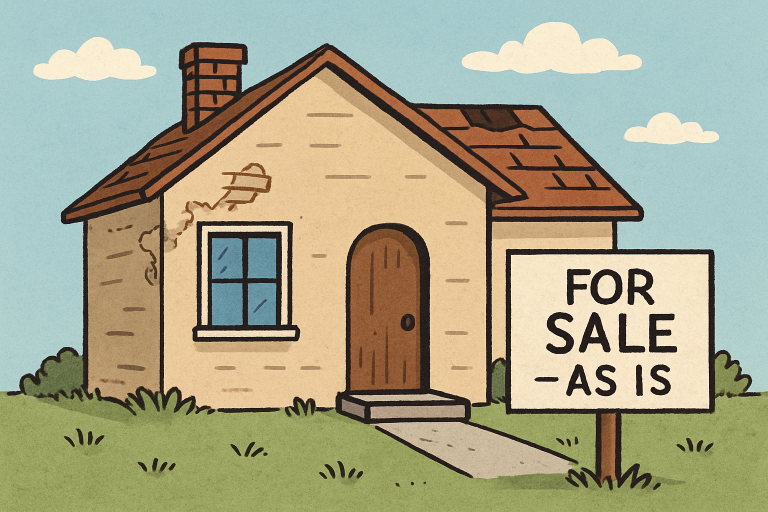
Selling “as-is” means the property is marketed and sold in its current state. The seller does not commit to making any repairs or improvements either before or after the sale is agreed upon. For many sellers, this route offers a practical solution to avoid the financial and logistical burden of home updates. However, while this approach can shorten your timeline, it often narrows the pool of interested buyers to those comfortable with or seeking properties that may require work.
Legal Obligations and Disclosures
Many homeowners mistakenly believe that an as-is sale relieves them of all responsibilities. In reality, sellers must disclose any known material defects or issues that affect the home’s safety, value, or utility. Disclosure laws can vary widely by state, but most require sellers to disclose all relevant information without concealment. For example, in California, you must complete a Transfer Disclosure Statement that outlines issues like unresolved leaks, foundation cracks, or pest infestations. Failing to fulfill these requirements can expose you to legal claims after the sale concludes.
Pricing Strategies for As-Is Properties
Pinpointing the right price is critical, as buyers looking for as-is homes expect to factor the cost of repairs or upgrades into their offer. To stand out in a market crowded by move-in ready homes, you should price your as-is property realistically based on its current state and the scope of needed repairs. For instance, if a major system like the roof or foundation needs replacement, get credible repair estimates and subtract these from comparable home values in your area.
Pros and Cons of Selling As-Is
- Pros:
- Quicker and more streamlined selling process than traditional sales.
- Less upfront investment needed for repairs, saving you time and money.
- Ideal for inherited homes or properties with significant repair needs.
- Cons:
- Sale prices are typically lower due to perceived risks or visible issues.
- Your buyer pool may be limited mostly to investors or those looking for fixer-uppers.
- Some buyers will still make their offer contingent on inspections, which may lead to further negotiations.
State-Specific Considerations
Local regulations play a major role in your obligations and sales strategy. For example, Pennsylvania requires sellers to fill out a detailed disclosure form outlining known material defects. States like Ohio require a separate Residential Property Disclosure Form. Review your state and city’s latest requirements, and recognize that failing to adhere could delay or derail your closing.
Working with Real Estate Professionals
Hiring an experienced real estate agent or broker is often the best way to navigate the intricacies of an as-is sale. An agent with a track record of as-is sales can help you understand market trends, properly price your home, and ensure you complete all disclosure requirements. Their expertise is invaluable, especially if you encounter buyers who request additional inspections or attempt to renegotiate after the home’s inspection.
Conclusion
Selling a house as-is offers speed and simplicity, but it comes with specific legal and financial responsibilities that cannot be overlooked. With thorough disclosure, realistic pricing, and guidance from seasoned professionals, you can achieve your selling goals with minimal complications. Being informed and prepared allows you to maximize your return and protect yourself from legal pitfalls, making your as-is home sale a successful experience for all parties involved.
- What to Check Before Buying a Coastal Home in South Carolina
- A Practical 2026 Checklist for Buying Coastal Property on Florida’s Emerald Coast
- Managing Redness and Flare-ups With Expert Care
- What To Know About Mohs Surgery
- Expert Air Conditioning Services in Palatine, IL: Why Allied Air Conditioning & Heating Corporation Leads the Way